William Trousdale
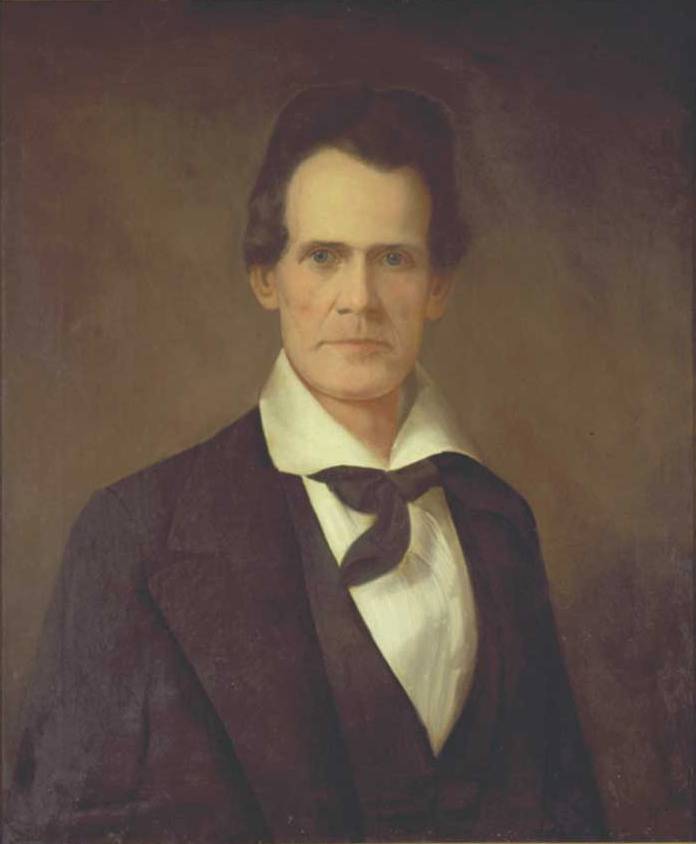
William Trousdale
U.S.A.

Social Media

Personal Background
William Trousdale's foundational background is marked by a robust military career, extensive political involvement, and diplomatic service. He began his career with military engagements in the Creek War, the War of 1812, the Second Seminole War, and the Mexican–American War, culminating in a brevet to brigadier general. Following his military service, Trousdale pursued a legal career and entered politics, serving in the Tennessee Senate and on Gallatin's Board of Aldermen. He was elected governor of Tennessee in 1849, leveraging his military reputation. After his governorship, he was appointed as the Envoy Extraordinary and Minister Plenipotentiary to Brazil, where he advocated for the opening of the Amazon River to international commerce. Despite his support for the Confederacy during the Civil War, his rheumatism prevented active participation.
Political Ideas
William Trousdale's political identity is marked by a blend of military valor and diplomatic pragmatism, underscored by his steadfast support for regional economic interests. Despite his military successes, his political career was often stymied by his Democratic affiliations in a predominantly Whig area. His tenure as governor and his diplomatic efforts in Brazil reveal an unexpected alignment with international trade interests, hinting at a nuanced approach to economic policy. Trousdale's refusal to support the Union during the Civil War, despite his military background, adds another layer of complexity to his ideological stance.