John L. Sullivan
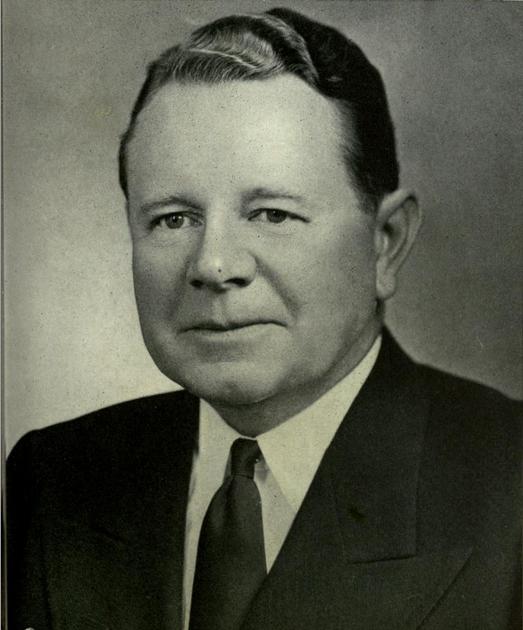
John L. Sullivan
U.S.A.

Social Media

Personal Background
John L. Sullivan holds a prestigious academic background, having graduated from Dartmouth College and Harvard Law School in 1924. He spent several years in high-level governmental roles, including serving as Assistant Secretary of the Treasury and Assistant Secretary of the Navy (AIR). Sullivan was the first civilian sworn into a naval office aboard a ship in an active combat zone. He later became Under Secretary and Secretary of the Navy, where he made significant contributions to naval nuclear propulsion, endorsing the project for the world's first nuclear-powered vessel, the USS Nautilus (SSN-571). His career was marked by a notable protest against the cancellation of a heavy aircraft carrier, reflecting his commitment to naval strategy and interservice relations.
Political Ideas
John L. Sullivan's career reveals a steadfast commitment to naval innovation, particularly in nuclear propulsion, while simultaneously highlighting a contentious stance on military budgets. Sullivan's endorsement of nuclear-powered warships underscores a forward-thinking approach to naval strategy, yet his vehement opposition to the cancellation of the USS United States (CVA-58) suggests a more traditionalist view on military hardware. This juxtaposition of progressive and conservative elements in his policy stances invites deeper examination into how Sullivan balances cutting-edge technology with established naval doctrines.