Paul Dillingham
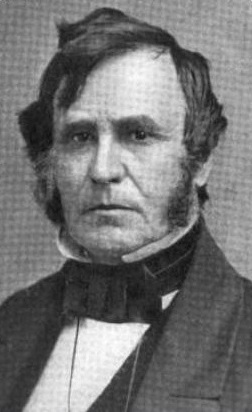
Paul Dillingham
U.S.A.

Social Media

Personal Background
Paul Dillingham was born in Shutesbury, Massachusetts, and later moved to Waterbury, Vermont. He studied law and was admitted to the bar in 1823. Dillingham held various local positions, including justice of the peace and town clerk, and served in both the Vermont House of Representatives and the Vermont State Senate. He also represented Vermont in the U.S. House of Representatives and contributed to state constitutional conventions. Dillingham transitioned from the Democratic to the Republican party during the Civil War, supporting Union efforts and later serving as lieutenant governor and governor of Vermont. He focused on educational reforms, establishing Vermont's first normal school for teacher training.
Political Ideas
Paul Dillingham's political career reveals an intriguing blend of regional pragmatism and ideological adaptability. His support for aggressive territorial expansion through the annexation of Texas and the Mexican-American War contrasts with his later commitment to Union support during the Civil War, showcasing a strategic realignment driven by evolving national priorities. Dillingham's establishment of Vermont's first normal school for teacher training highlights a progressive streak in education reform, even as he navigated complex political landscapes. His dual marriage to sisters and significant familial ties to other prominent politicians further underscore a deeply entrenched network that influenced his policy decisions.