Upton Sinclair
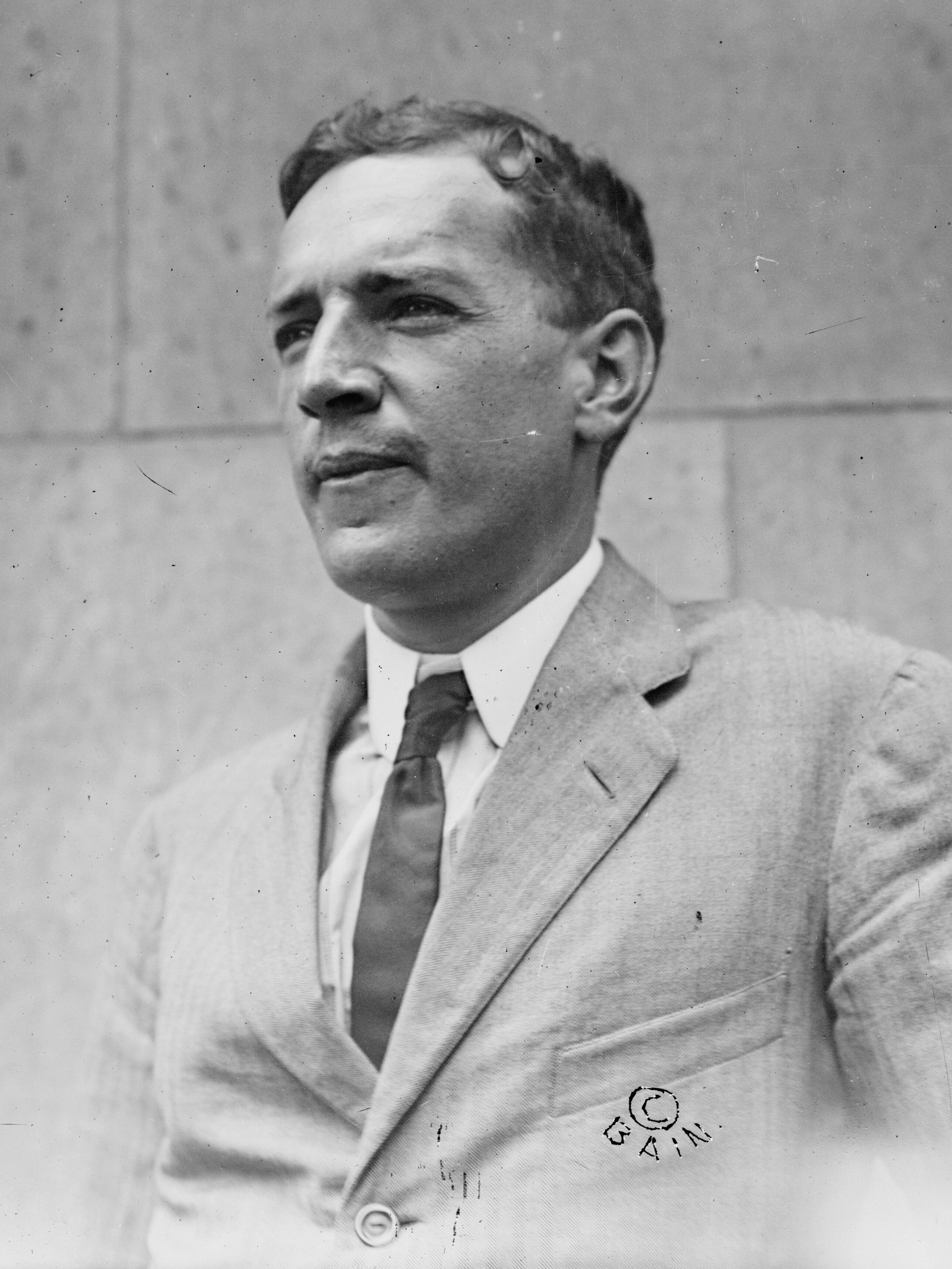
Upton Sinclair
U.S.A.
Social Media

Personal Background
Upton Sinclair, born in 1878, established himself as a prominent investigative journalist and social activist. He gained significant attention through his undercover work in Chicago's meatpacking plants, which led to the publication of *The Jungle* and influenced major food safety legislation. Sinclair's career included extensive writing, with nearly 100 books to his name, and he received the Pulitzer Prize for Fiction in 1943. His work consistently highlighted social injustices, labor rights, and ethical journalism, laying a foundation for his advocacy in progressive reforms and public policy.
Political Ideas
Upton Sinclair's political identity is marked by a unique blend of progressive economic reforms and idiosyncratic personal health philosophies. His advocacy for old age pensions and progressive labor reforms reveals a commitment to social justice, while his endorsement of raw food diets and periodic fasting introduces an unconventional element to his public persona. Sinclair's investigative journalism, particularly in exposing the meatpacking industry, showcases a relentless pursuit of truth and transparency, yet his opposition to extramarital sex presents a surprising moral rigidity. His shifting political affiliations, from Socialist to Democrat, indicate an ideologically agile approach, often aligning with opposing factions to advance regional industrial interests.